Peptides
All peptide research compounds
Products



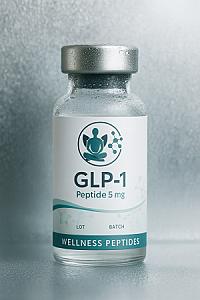
Key Types of Peptides for Category Research
BPC-157 is recognized for its regenerative properties, supporting tissue repair and reducing inflammation. This could benefit hair repair by promoting healing and cellular renewal in the scalp.
Our blend of CJC-1295 and Ipamorelin promotes growth hormone release. The improved growth hormone levels may support overall health, potentially aiding in hair quality and growth.
Semax is known for its neuroprotective and cognitive-boosting effects. It may support overall scalp health and indirectly aid in hair maintenance.
Tesamorelin stimulates growth hormone release and may support cellular regeneration, potentially aiding in scalp health and hair growth.
Additionally, Thymosin Beta-4 promotes tissue repair and regeneration, which could aid in hair follicle maintenance and repair.
Research Benefits and Applications of Peptides
Peptides offer numerous benefits when it comes to promoting hair growth and repairing damaged hair. These small chains of amino acids play a pivotal role in improving scalp health and rejuvenating hair follicles.
Research shows that peptides contribute to hair growth and repair through several mechanisms. Peptides stimulate blood circulation to the scalp, ensuring a steady supply of nutrients essential for hair follicle nourishment and growth.
They strengthen hair follicles, potentially increasing hair thickness and resilience against damage. Peptides also stimulate collagen and elastin production, which may improve hair texture, elasticity, and shine.
By blocking DHT production and extending the hair growth cycle, peptides could help reduce hair loss and promote longer-lasting hair growth. Additionally, peptides penetrate the hair shaft, filling gaps and repairing damaged areas, resulting in healthier hair overall.
Certain peptides, like BPC-157, possess anti-inflammatory properties that soothe scalp irritation and promote a conducive environment for hair growth.
Peptides represent a promising advancement in hair care research. They offer potential benefits like improved growth, thickness, texture, and resilience against damage. Ongoing research continues to uncover their full potential in revitalizing and maintaining healthy, vibrant hair.
Selecting Peptides for Research
When selecting peptides for hair growth and repair research, several factors must be considered to align with specific research projects and objectives. Here are some key points:
Opt for BPC-157 due to its potent wound healing properties and ability to boost growth factors. This makes it suitable for studies focused on improving hair density and texture.
Choose the CJC-1295 and Ipamorelin blend for its synergistic effect in stimulating growth hormone release. This can be valuable in research exploring mechanisms of thicker hair and reduced shedding.
Consider Semax for its ability to elevate melanocortin levels, which helps reduce hair loss and encourage scalp health. These traits make it a potential candidate for studies on neuroprotective effects and hair maintenance.
Tesamorelin, known for its growth hormone releasing factor analog properties. It’s ideal for research aiming to improve hair growth and texture through enhanced growth hormone activity.
Opt for Thymosin β4 for its role in promoting hair follicle neogenesis. They support the formation of new hair follicles and overall hair rejuvenation. It’s suitable for studies on tissue regeneration.
Here’s a comparative overview of how these peptides can be utilized in hair growth and repair research: